Determining fault in a rear-end collision isn’t always as straightforward as it might seem. While visiting the best auto body shop in San Rafael after such an accident, you’ll learn that these collisions involve complex factors beyond simply who hit whom.
Though conventional wisdom often places blame on the rear driver, various circumstances like unexpected maneuvers, poor road conditions, or even shared responsibility can complicate liability determinations. Before jumping to conclusions about who’s at fault, it’s worth examining all the elements that might influence the final decision in your specific case.
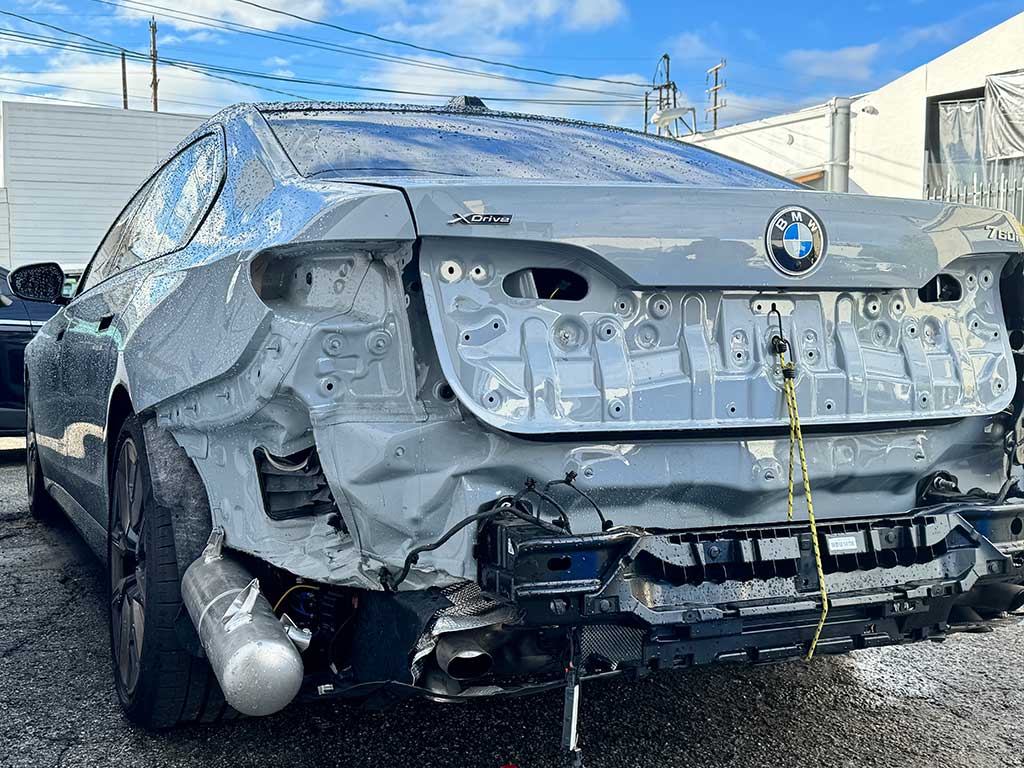
Common Causes of Rear-End Collisions
Rear-end crashes typically stem from tailgating, distracted driving, and sudden stops. When drivers follow too closely behind another vehicle, they sacrifice precious reaction time, making collisions more likely if the front vehicle stops unexpectedly. Taking your eyes off the road to glance at your phone makes you miss crucial moments when traffic suddenly changes.
We’ve all felt that panic when someone stops unexpectedly and we weren’t fully paying attention. Keep plenty of space between you and the car ahead, watching for brake lights beyond just the vehicle directly in front. These simple habits have saved me from countless fender benders over the years, and they’ll protect you too.
Contributory Factors in Fault Determination
Several key elements influence fault determination after a rear-end collision. Insurance companies and courts closely examine the distance between vehicles at the time of the incident, as drivers must maintain sufficient space for safe stopping. The speed of both vehicles plays a crucial role, affecting both collision severity and stopping capability.
Environmental conditions matter too—wet roads, fog, or ice change stopping distances and vehicle traction. Driver behavior immediately before the crash, including distractions, lane changes, or brake function, weighs heavily in the final determination. These factors combine to create a comprehensive picture of responsibility in each unique collision scenario.
Role of Following Distance in Liability
Following distance significantly affects liability determinations in rear-end collisions. Though the rear driver typically bears responsibility, this assumption can shift when the leading vehicle stops abruptly. A driver maintaining inadequate following distance may lack sufficient reaction time when the vehicle ahead suddenly brakes.
Legal standards expect drivers to keep enough space between vehicles to allow safe stopping in unexpected situations. The “three-second rule” serves as a common guideline, suggesting drivers maintain at least three seconds of travel time between themselves and the vehicle ahead. Failure to maintain proper distance often results in liability for the following driver, though extenuating circumstances may sometimes modify this assessment.
Impact of Sudden Stops on Responsibility
Sudden stops substantially complicate responsibility assessments in rear-end collisions. When a driver brakes abruptly without clear justification, they create a hazardous situation for following traffic. Courts examine whether legitimate reasons prompted the sudden stop, such as avoiding an obstacle or responding to an emergency. A driver who stops suddenly without valid cause may share fault or bear primary responsibility for the resulting collision.
Similarly, vehicles with malfunctioning brake lights create dangerous conditions by failing to signal deceleration. The specific context surrounding the sudden stop—including road conditions, visibility, and preceding driver behaviors—all factor into the final determination of fault.
Legal Considerations in Fault Allocation
The legal framework surrounding fault allocation varies across jurisdictions but follows certain common principles. Most legal systems apply the “rear-end presumption,” initially placing responsibility on the following driver. This presumption, however, can be challenged with evidence showing the lead driver contributed to the collision through negligence. Factors like improper lane changes, intentional brake-checking, or non-functioning brake lights can shift fault toward the lead driver.
Many states apply comparative negligence standards, assigning responsibility percentages to each party based on their contribution to the accident. Understanding these legal nuances proves essential when navigating insurance claims or potential litigation following a rear-end collision.
Had a rear-end collision? Don’t assume fault without professional advice. Take photos, gather witness information, and consult with a qualified attorney who specializes in traffic accidents. Your case might have unique factors that affect liability determination. Act quickly to protect your rights and ensure fair treatment in the claims process.
Other Related Posts: