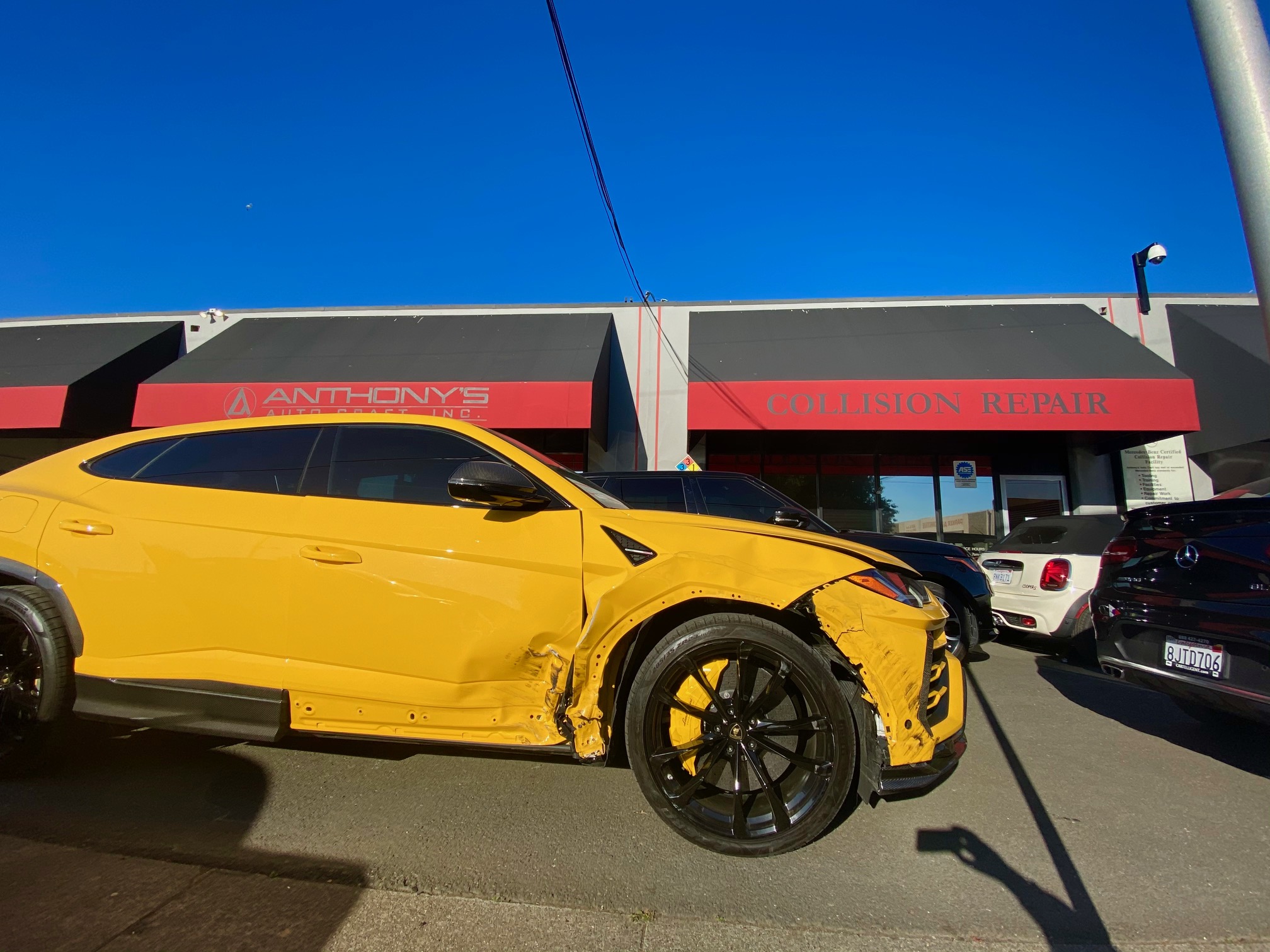
When driving, we’ve all encountered situations where a split-second decision can make all the difference. Side-impact collisions can happen due to various reasons, from misjudging intersections to distracted driving or failing to yield. Understanding these causes and knowing how to prevent them is crucial for road safety. Many drivers who’ve experienced such accidents have later sought certified repair services in San Rafael to restore their vehicles. This article explores the common causes of side-impact collisions and provides practical tips to help you navigate roads safely and avoid these potentially dangerous situations.
Intersection Misjudgments
When approaching intersections, drivers often misjudge the speed and distance of oncoming vehicles, leading to side-impact collisions. These misjudgments result from factors such as failing to accurately assess the oncoming vehicle’s velocity, misinterpreting the available gap to safely make a turn, or underestimating the time needed to cross the intersection. To prevent these collisions, practice effective scanning techniques, anticipate potential hazards, and maintain a safe following distance. Using defensive driving strategies, such as slowing down at intersections, being aware of blind spots, and yielding the right of way when uncertain, can significantly reduce your risk of side-impact crashes.
Distracted Driving
Driver behavior data shows that distractions significantly contribute to side-impact collisions. Distractions divert attention from safely maneuvering intersections, increasing the chance of missing oncoming vehicles or misjudging turn timing. Common distractions include texting, phone conversations, adjusting the radio, eating, or interacting with passengers. Even cognitive distractions like daydreaming or being preoccupied with personal matters can impair your ability to react quickly to changing traffic conditions. To reduce these risks, focus solely on the road, limit in-car distractions, and avoid activities that take your attention away from driving.
Failure to Yield
Collision data analysis shows that failure to yield remains a primary factor in side-impact collisions. This occurs when a driver doesn’t give the right of way to another vehicle or pedestrian when required, such as at intersections, roundabouts, or when merging into traffic. The violation often stems from misjudging the situation, inattentiveness, or misinterpreting traffic signs and signals. Common scenarios include T-bone collisions at intersections or sideswiping accidents when changing lanes. To prevent such collisions, stay alert, understand right-of-way rules, anticipate other drivers’ actions, and clearly communicate your intentions through signals and lane positioning.
Red Light Violations
Collision data reveals that red light violations significantly contribute to side-impact collisions. When drivers run red lights, they enter intersections when cross-traffic has the right of way, leading to T-bone accidents. These collisions often cause serious injuries due to the perpendicular nature of the impact. Red light violations typically occur because of distracted driving, aggressive behavior, or misjudging yellow light timing. To prevent these dangerous situations, remain attentive, obey traffic signals, and anticipate other motorists’ actions. Defensive driving techniques such as scanning intersections before entering and slowing down as lights change can help reduce your risk.
Speeding Impacts
Speeding dramatically increases the severity of side-impact collisions, raising the risk of serious injuries and fatalities. A speeding vehicle has less time to react to sudden traffic changes, such as when another vehicle unexpectedly crosses its path. Higher speeds also result in greater kinetic energy upon impact, causing more vehicle damage and potentially more severe occupant injuries. The force of impact in a side collision directly relates to the vehicles’ speeds, making speeding a critical factor in crash outcomes. Following speed limits and driving at safe speeds can substantially reduce both the risk and consequences of side-impact collisions.
Other Related Posts: