Construction and maintenance zones on our roads present unique hazards for drivers navigating through them. While searching for reliable auto body repair services is common after work zone incidents, understanding what causes these accidents can help you avoid them altogether. Work zone collisions follow specific patterns that highlight important aspects of driver behavior and road safety measures. This article explores the most frequent type of collision in work zones, examines contributing factors, and offers practical advice to help you stay safe when driving through these high-risk areas.
Statistics on Work Zone Collisions
Our analysis of recent data on work zone collisions reveals clear patterns in the types of accidents that occur most frequently. Rear-end collisions dominate the statistics, accounting for roughly 40% of all work zone accidents. These crashes typically happen when drivers fail to notice slowing traffic, reduced speeds, or sudden stops that are common in construction areas. Side-swipe collisions rank second, making up about 25% of incidents, usually occurring when vehicles drift from their lanes while navigating narrow or shifting pathways. Interestingly, direct collisions with workers or equipment represent only a small percentage of total accidents. These findings emphasize the importance of maintaining safe following distances, remaining alert, and respecting posted speed limits to reduce the risk of these common collision types.
Factors Contributing to Collisions
Several key factors increase the likelihood of work zone accidents. Excessive speed ranks as a primary concern, as it dramatically reduces reaction time while increasing collision severity. Poor or inadequate signage creates dangerous situations where drivers lack sufficient warning about upcoming lane closures or road work, leading to panic maneuvers.
Driver distraction poses another significant threat. Activities like texting, eating, or adjusting vehicle controls pull attention away from the road at critical moments when work zones demand heightened focus. Impaired driving, whether from alcohol, drugs, or fatigue, substantially raises accident risk by compromising judgment and reaction capabilities.
Identifying these contributing factors provides valuable insights for developing more effective safety strategies to protect both drivers and workers in construction zones.
Impact on Driver Behavior
The factors mentioned above significantly influence how people drive through work zones. Speeding creates a dangerous ripple effect, endangering not just the speeding driver but everyone in the vicinity, including vulnerable road workers. Insufficient or unclear signage often results in confusion, prompting sudden braking or abrupt lane changes that catch following drivers off guard. Distracted driving prevents motorists from noticing changing conditions, merging traffic, or workers near the roadway. Impaired driving severely compromises critical driving skills precisely when they’re most needed in the complex environment of a construction zone. Understanding these behavioral impacts helps transportation authorities design better work zones with improved traffic flow and enhanced safety features to address these common driving pitfalls.
Safety Measures in Work Zones
Work zone safety measures focus on mitigating risks from hazardous driving behaviors while protecting both road crews and passing motorists. Various strategies and technologies create layers of protection in these high-risk areas:
- Traffic Control Devices: Strategic placement of signs, cones, and barriers guides traffic safely through changing road conditions.
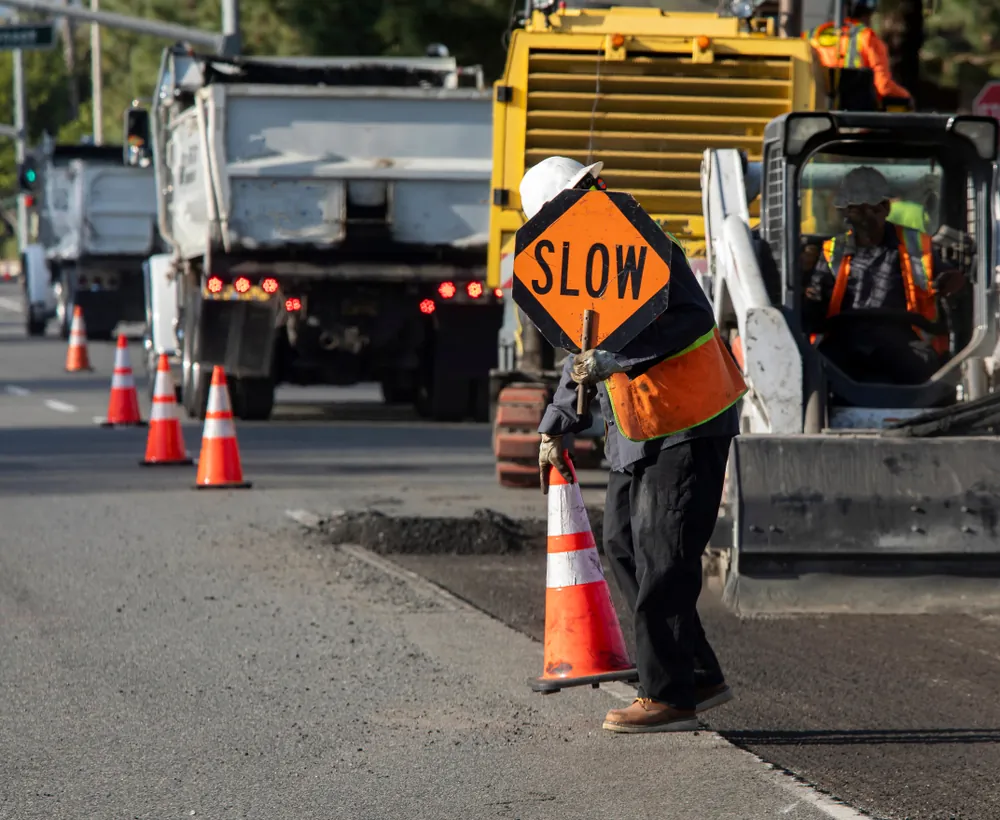
- Flaggers: Trained personnel direct traffic flow, particularly in areas requiring lane shifts or alternating traffic patterns.
- Work Zone Speed Limits: Reduced speeds give drivers more time to react to unexpected situations while decreasing accident severity.
- Temporary Rumble Strips: These physical alerts warn drivers of changing conditions through tactile feedback.
- Advanced Warning Systems: Digital message boards provide early notification of upcoming work zones, allowing drivers to prepare mentally and adjust their driving accordingly.
Prevention Tips for Work Zone Collisions
Adopting proper safety practices and alert driving habits significantly reduces your risk of work zone accidents. Maintaining adequate space between vehicles gives you crucial reaction time when traffic suddenly slows or stops. Adhering to posted speed limits—even when work crews aren’t visible—ensures you maintain vehicle control through changing road conditions.
Clear communication through proper signaling helps other drivers anticipate your movements. Following all posted signs and flagger instructions maintains order and predictability in these challenging environments. Staying aware of surrounding vehicles and potential hazards allows you to anticipate problems before they develop into dangerous situations.
Regular vehicle maintenance checks, especially of brakes, lights, and tires, prevent mechanical issues from contributing to collision risk. By implementing these prevention strategies and maintaining heightened awareness in work zones, you can navigate these areas safely while contributing to the overall security of everyone sharing the road.
Other Related Posts: