A front end collision can cause extensive damage to numerous vehicle components beyond what’s immediately visible. While many might focus only on obvious exterior damage, the impact often affects critical mechanical and safety systems throughout the car. Finding a top auto body repair shop with experienced technicians is crucial for properly diagnosing and fixing these complex issues. This guide examines the key components commonly damaged in front end collisions and why thorough inspection and repair are essential for both vehicle performance and occupant safety.
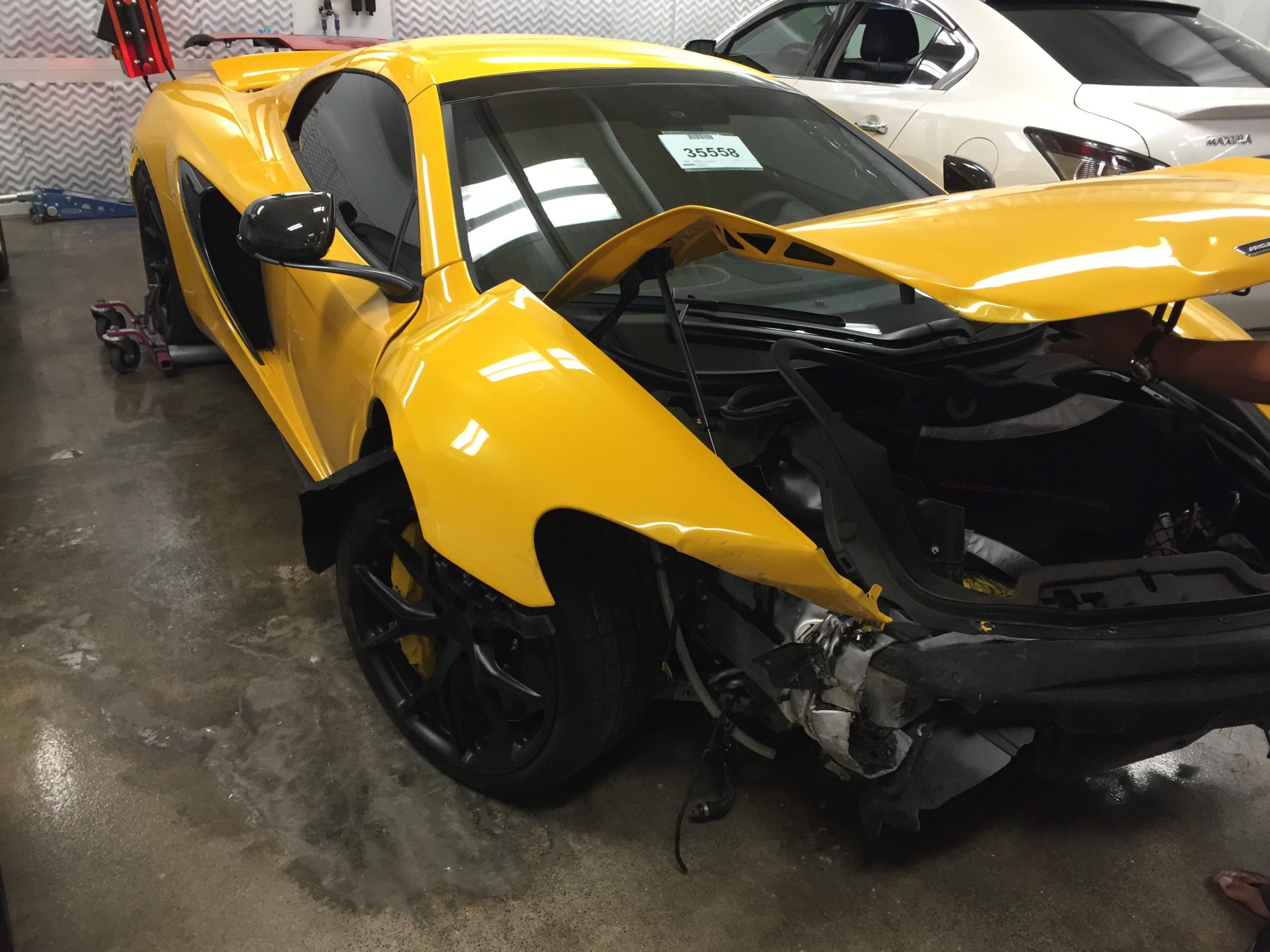
Bumper
When a front-end collision occurs, the bumper absorbs the initial impact to protect the vehicle’s structure and occupants. It’s designed to minimize damage by absorbing and redistributing impact energy. Bumpers are typically made of steel, aluminum, plastic, or a combination of these materials for both strength and flexibility.
Modern bumpers aren’t just single metal pieces like in older vehicles. They consist of several layers including shock-absorbing material, energy absorbers, and a decorative outer cover. The shock-absorbing material, often foam or plastic, disperses the force of impact. Energy absorbers, typically made with honeycomb structures or crumple zones, further dissipate energy to reduce impact on occupants.
The outer plastic cover is the visible part that can be replaced after a collision. It restores the vehicle’s appearance while maintaining the structural integrity of the bumper system. Regular inspection of the bumper ensures its effectiveness in protecting the vehicle and passengers during accidents.
Headlights
Headlights serve as vital illumination devices, necessary for visibility in poor lighting conditions. In a front-end collision, these components are highly vulnerable to damage due to their position at the front of the vehicle. Impact can cause headlights to crack, shatter, or become misaligned, compromising their ability to provide adequate lighting.
The lens covering is particularly susceptible, often bearing the brunt of the collision force. This can result in visible cracks or complete breakage. The internal components, such as bulbs and wiring, may also sustain damage, affecting functionality. Even with minimal external damage, internal wiring and connections can be disrupted or broken, impairing performance.
Severe collisions may require replacement of the entire headlight assembly to ensure proper function and compliance with safety standards. Thorough inspection of headlights after a collision is necessary for optimal visibility and roadway safety.
Radiator
Front-end collisions frequently damage the radiator due to its vulnerable front position. The impact can cause problems ranging from minor dents to severe structural damage. The radiator’s delicate fins, tubes, and connectors easily bend, crack, or rupture upon impact, resulting in coolant leaks. Additionally, mounting brackets may become misaligned or broken, compromising stability and effectiveness.
Debris and contaminants from damaged components can enter the radiator, further hindering proper function. The radiator core, responsible for cooling the engine by dissipating heat, can be compromised, causing overheating if not addressed promptly. Thorough inspection after a collision is crucial to identify and repair any damage, maintaining the cooling system’s efficiency.
Engine
Following a front-end collision, engine components can suffer various forms of damage due to impact forces. The intricate parts can sustain significant harm, affecting both performance and safety. Here are four key areas of the engine vulnerable to damage:
- Engine Block: The main structure housing cylinders and vital components can crack or deform under impact, causing oil leaks and structural integrity loss.
- Timing Belt/Chain: Collisions can misalign or damage timing components, disrupting synchronization between engine parts and potentially causing severe malfunctions.
- Cooling System: Radiator damage affects the overall cooling system, leading to overheating that can further harm the engine if not promptly addressed.
- Electrical Components: Wiring harnesses, sensors, and electrical parts in the engine compartment can be damaged, causing electrical failures that affect engine performance and drivability.
Frame
The vehicle frame provides crucial structural support and stability, especially during collisions. As the vehicle’s foundation, it absorbs and distributes impact forces throughout the structure, protecting occupants and critical components. In front-end collisions, the frame is particularly vulnerable due to concentrated force at the vehicle’s front. Common damage includes bending, twisting, or cracking of frame rails.
Compromised frames lead to misalignment issues affecting overall performance and safety. Signs of frame damage include uneven gaps between body panels, misaligned doors, or crooked steering wheels. Proper frame repair requires specialized equipment and expertise to restore the vehicle’s structural integrity.
Fenders
Fenders help absorb and deflect impact forces away from the main body structure. These panels located above the wheels shield them from road debris while enhancing vehicle aerodynamics. Front-end collisions can damage fenders in ways that affect both appearance and functionality:
- Structural Integrity: Fenders can sustain structural damage, reducing their ability to effectively absorb impact.
- Alignment: Collision impact can misalign fenders, affecting overall symmetry and aerodynamics.
- Mounting Points: Damaged mounting points lead to improper attachment and potential safety hazards.
- Cosmetic Issues: Beyond structural concerns, dents, scratches, and paint damage diminish the vehicle’s appearance.
Suspension
The suspension system absorbs and dissipates energy during impacts, minimizing vehicle damage and enhancing occupant safety. Components like struts, shocks, control arms, and stabilizer bars can sustain various types of damage in collisions. Impact forces bend or break these parts, affecting vehicle stability and handling.
A common problem is wheel misalignment due to suspension damage, leading to uneven tire wear and performance issues. Front-end collisions can also damage suspension mounting points on the frame or chassis, compromising the system’s structural integrity.
Professional inspection of the suspension system after a collision is essential for accurate damage assessment. Timely repair or replacement of damaged components ensures safe operation and optimal performance.
Airbags
After a front-end collision, airbag systems require careful evaluation. These safety devices rapidly inflate to cushion impact and protect occupants. Key aspects of post-collision airbag assessment include:
- Deployment Sensors: These detect impact severity and trigger airbag deployment. Sensor damage can cause deployment failures or malfunctions.
- Airbag Module: This control unit manages deployment and stores diagnostic codes. Thorough inspection for damage is essential.
- Inflation System: This includes the inflator, airbag, and crash sensors. Damage to any component affects proper airbag inflation.
- Airbag Cover: Located on the steering wheel or dashboard, covers may suffer cosmetic damage. Ensuring this doesn’t compromise the deployment mechanism is critical.
Other Related Posts: