Auto insurance policies include various types of coverage designed to protect vehicle owners in different situations. Choosing the right coverage can be overwhelming, but understanding the distinctions between liability, comprehensive, and collision insurance ensures that you make informed decisions about protecting your vehicle. Whether you’re insuring a new car or reviewing your current policy, knowing how these coverages work together can help you select the best options. If you’re looking for protection after an accident, a San Rafael auto body repair shop can assist with repairs while you navigate your insurance claim.
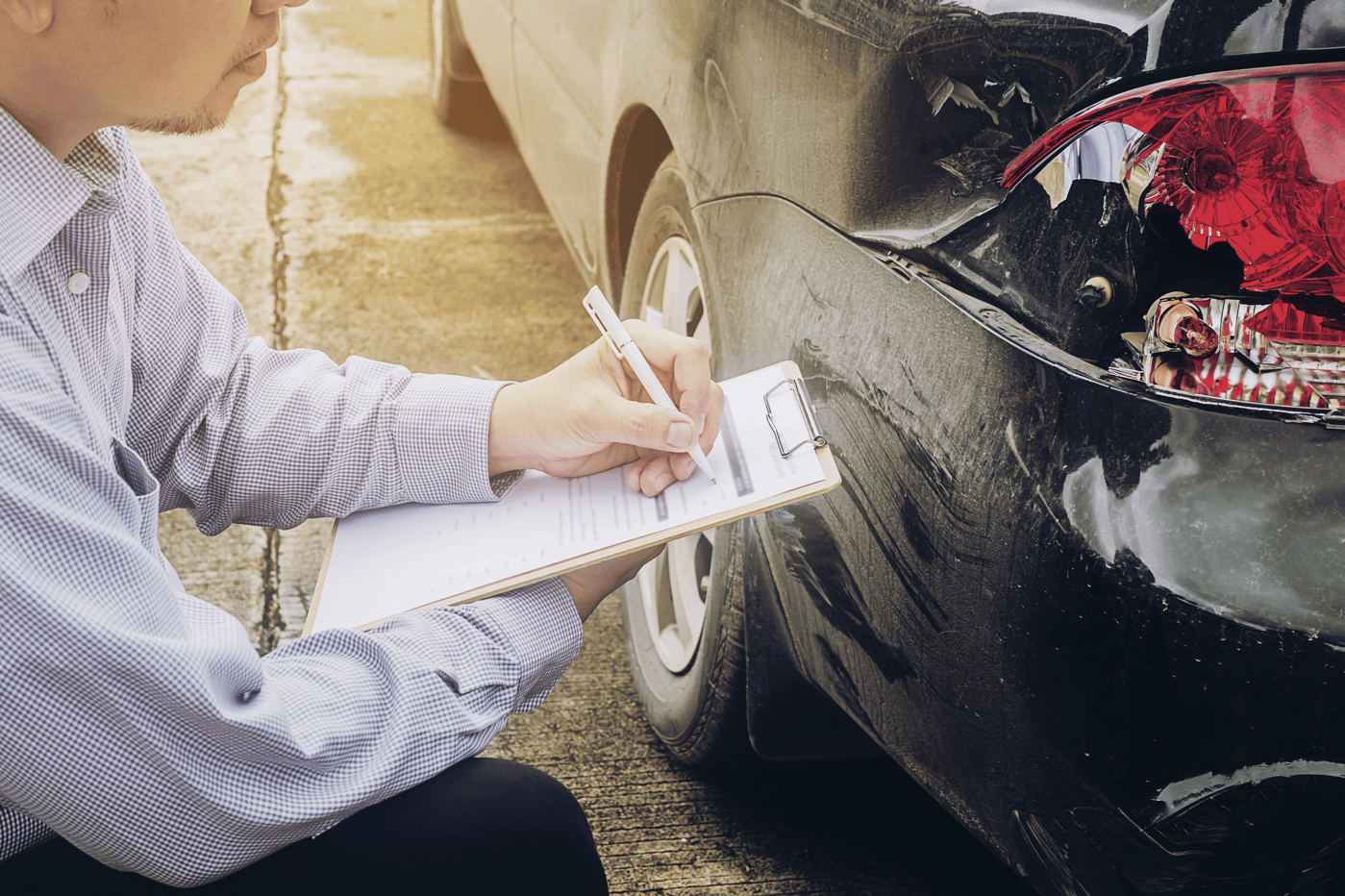
Liability Insurance Coverage
Liability insurance covers damages and injuries you cause to others in an accident. This includes bodily injury liability, which pays for medical expenses, and property damage liability, which covers repairs to other vehicles or structures. Since most states require a minimum level of liability insurance, it is essential to understand the coverage limits in your area. Having sufficient liability coverage can help prevent out-of-pocket expenses in the event of a lawsuit. However, this type of insurance does not cover damage to your own vehicle, making additional coverage necessary for complete protection.
Comprehensive Coverage Details
Comprehensive insurance provides financial protection against non-collision incidents. This includes theft, vandalism, natural disasters, and accidents involving animals. If your vehicle sustains damage from falling objects or extreme weather conditions, comprehensive coverage can help pay for repairs. In most cases, policyholders must pay a deductible before receiving benefits. Evaluating the risks specific to your location and driving habits can help determine whether comprehensive coverage is necessary.
Collision Coverage Explained
Collision insurance covers damage to your vehicle resulting from accidents, regardless of fault. Whether you collide with another car, a tree, or a stationary object, this coverage ensures that repair costs are taken care of. Like comprehensive insurance, collision coverage requires a deductible, which influences the overall cost of the policy. This type of coverage is particularly beneficial for newer or high-value vehicles, as repair costs can be substantial. Understanding policy terms and coverage limits can help you choose the right deductible and level of protection for your needs.
Cost Factors and Considerations
Several factors influence auto insurance premiums, including the type of coverage selected, vehicle make and model, driving history, and geographic location. Higher deductibles typically lower premium costs but require a greater financial commitment in case of an accident. Additionally, maintaining a clean driving record and bundling insurance policies may lead to discounts. Reviewing policy details regularly ensures that your coverage aligns with your current financial situation and vehicle ownership status.
Coverage Combinations and Recommendations
Selecting the right combination of coverage depends on personal circumstances. For instance, if you own a new or expensive vehicle, maintaining both comprehensive and collision insurance may be the best choice. If you have an older car with a lower market value, opting for liability coverage alone may be sufficient. Additionally, if you have a car loan, lenders often require specific coverage types to protect their investment. Evaluating your financial situation, driving habits, and potential risks can help you determine the best insurance policy for your needs. Regularly reviewing and updating your policy ensures continued protection as circumstances change.
Other related posts: