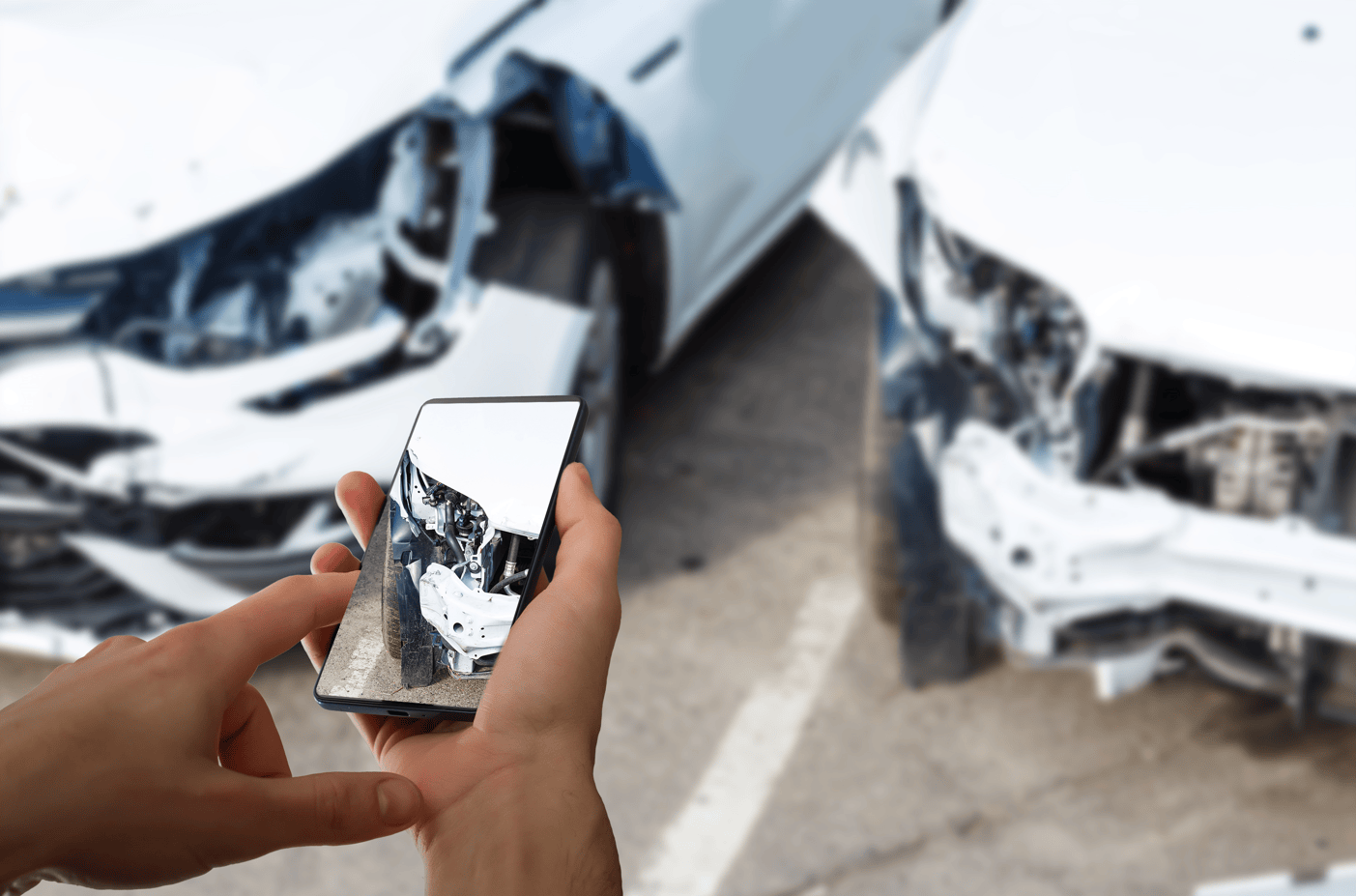
Vehicle bumpers play a crucial role in minimizing damage and enhancing occupant safety during collisions. A well-designed bumper system absorbs impact and helps reduce repair costs. This article examines the function, construction, and limitations of bumpers in different crash scenarios. Understanding these aspects highlights the importance of proper maintenance and the role of a San Rafael collision repair center in restoring bumper effectiveness after an accident.
Bumper Design and Construction
Modern bumpers consist of several components engineered to absorb and distribute impact forces efficiently. Manufacturers use energy-absorbing materials to help dissipate the force of a collision, while structural reinforcements ensure even force distribution across the vehicle’s frame. Despite these innovations, bumpers have limitations based on material strength and design. Routine inspections and proper care help maintain their protective capabilities.
Impact Absorption Capabilities
Bumpers are most effective in low-speed collisions, reducing the extent of vehicle damage. Advanced energy-absorbing mechanisms help manage these minor impacts by dispersing force throughout the bumper structure. However, the extent of absorption varies depending on materials, design, and the impact angle. Regular inspections and repairs help ensure bumpers function optimally in real-world conditions.
Speed and Impact Considerations
The effectiveness of a bumper system is heavily influenced by collision speed. While they are designed to protect against minor fender benders, high-speed crashes can exceed their capacity, leading to structural damage beyond the bumper itself. The angle of impact also plays a role in determining how much protection a bumper can offer. Understanding these limitations underscores the need for expert evaluations and potential repairs following any collision.
Protection Zones and Coverage
Bumper systems are strategically positioned to protect key areas of a vehicle during an accident. However, variations in vehicle height can affect how well bumpers align between different models, potentially leaving some areas exposed. Although bumpers are designed to offer broad protection, certain gaps in coverage may still exist. Regular assessments help identify vulnerabilities and ensure the bumper remains effective in different driving conditions.
Maintenance and Inspection Requirements
Routine maintenance is essential for keeping bumpers in optimal condition. Visual inspections can identify early signs of wear or structural issues, preventing potential failures in the event of a collision. Professional repair services help maintain bumper integrity, ensuring they perform as intended. Scheduling regular evaluations with a trusted auto repair specialist enhances vehicle safety and helps preserve bumper functionality over time.
Other related posts: