Tesla has become synonymous with innovation, especially regarding vehicle safety. One of the standout features of Tesla’s fleet is its advanced collision avoidance system, designed to prevent accidents before they happen. This technology is part of Tesla’s broader Autopilot and Full Self-Driving (FSD) capabilities, leveraging a network of sensors, cameras, and machine learning to make driving safer and more efficient. This article from a renowned auto body shop will explore how Tesla’s collision avoidance system works and why it’s a game-changer for modern road safety.
The Technology Behind Tesla’s Collision Avoidance System
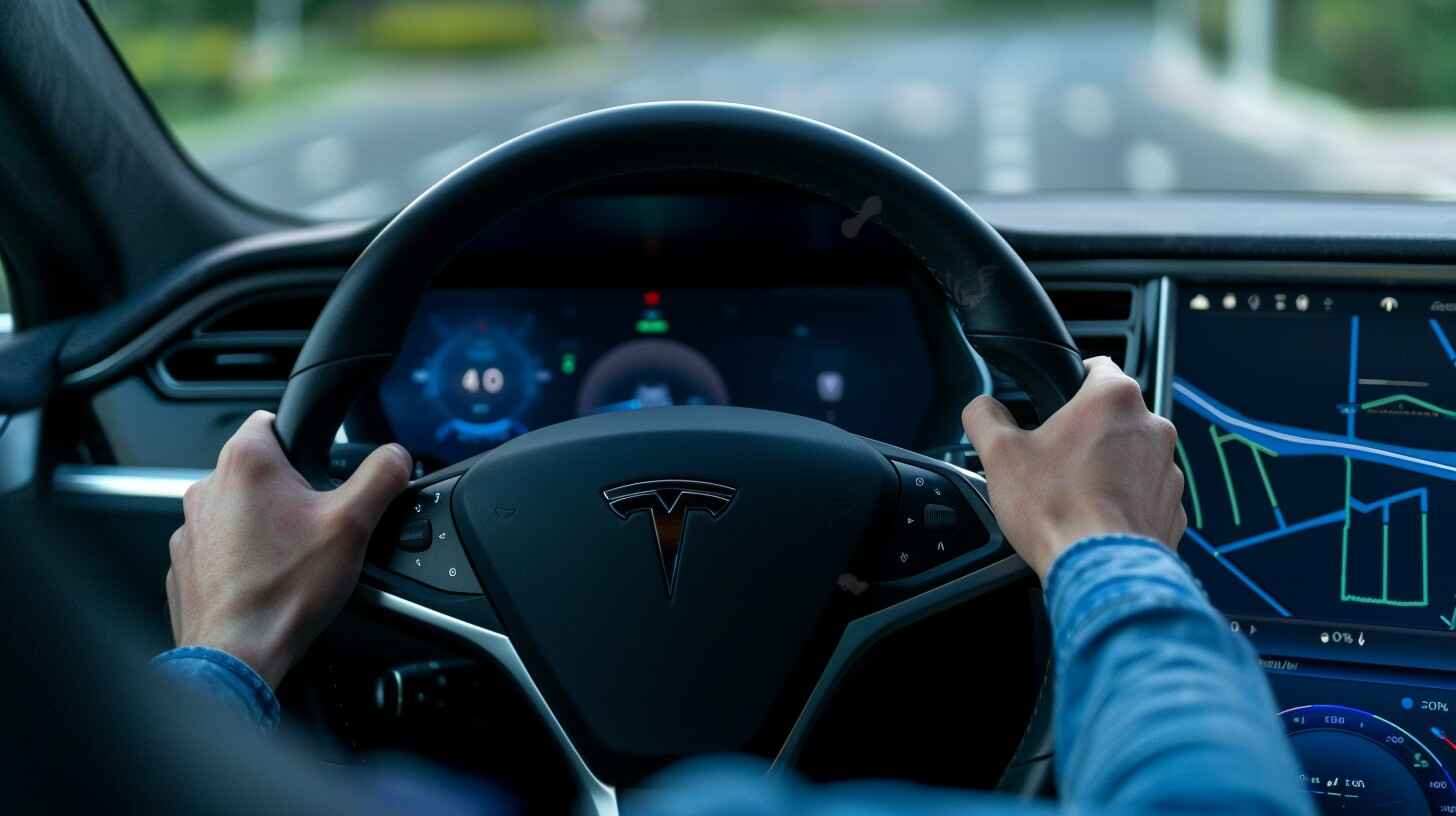
At the heart of Tesla’s collision avoidance system are sensors and cameras continuously monitoring the surrounding environment. These sensors detect nearby vehicles, pedestrians, cyclists, and obstacles, allowing the car to make real-time decisions about speed and direction. Tesla vehicles are equipped with forward-facing radar, ultrasonic sensors, and up to eight external cameras that provide a 360-degree view of the car’s surroundings.
The collision avoidance system uses this information to detect potential threats and hazards, such as a vehicle suddenly braking or a pedestrian stepping into the street. The onboard computer processes this data in milliseconds, allowing the car to take immediate action, such as applying the brakes or steering away from danger. Tesla’s system is constantly learning and improving through over-the-air software updates, which enhance the car’s ability to detect and respond to new scenarios.
How Tesla’s Collision Avoidance Works in Real-Time
Tesla’s collision avoidance is integral to its broader safety features, working in conjunction with other advanced driving assist systems. When a potential collision is detected, the system first warns the driver with visual and auditory alerts. If the driver does not take immediate action, the car may automatically intervene. For example, if the vehicle in front of a Tesla suddenly stops and the driver does not react, the system can apply the brakes autonomously to avoid an accident.
In more complex scenarios, such as multi-lane highways, Tesla’s Autopilot can assist by steering the vehicle away from an impending collision. This might involve gently nudging the car into another lane if it senses a vehicle approaching too quickly from behind. These split-second decisions help reduce the likelihood of an accident, keeping drivers and passengers safer.
Collision Avoidance in Different Driving Conditions
Tesla’s collision avoidance system is built to function in various driving environments and conditions. Whether navigating city streets or cruising on the highway, the system adapts to your surroundings. The car can detect pedestrians, cyclists, and other vehicles at close range in urban settings. It can even identify objects like parked cars and road debris. The system focuses more on high-speed threats on highways, such as vehicles cutting into your lane or sudden traffic slowdowns.
One of Tesla’s significant advantages is its ability to adapt to weather conditions. While heavy rain, fog, or snow can obstruct traditional sensors in other vehicles, Tesla’s radar and camera system work together to detect potential hazards accurately. However, extreme weather conditions may still pose challenges, and Tesla advises drivers to stay alert and maintain control of the vehicle even when using Autopilot or collision avoidance features.
Continuous Improvement Through Software Updates
Tesla’s ability to continuously improve its collision avoidance system through over-the-air software updates sets it apart from other automakers. These updates allow Tesla vehicles to gain new features, improve existing systems, and even correct potential software bugs without needing to visit a dealership. As the company gathers more data from the millions of miles users drive worldwide, Tesla’s algorithms evolve, enabling the collision avoidance system to become more intelligent and responsive.
For example, a recent update included enhancements to how the car detects lane changes and responds to vehicles merging into its path. These updates are automatically rolled out to Tesla owners, ensuring their vehicles remain at the cutting edge of safety technology.
The Future of Tesla’s Collision Avoidance System
Tesla continues to push the boundaries of what’s possible with autonomous driving and collision avoidance technology. As Full Self-Driving (FSD) software continues to develop, the collision avoidance system can be expected to become even more advanced. Tesla aims to make its cars fully autonomous in the future, and the collision avoidance system will play a crucial role in achieving that goal.
While Tesla’s current system already provides a high level of safety, the future promises even more refined capabilities. The company’s commitment to innovation ensures drivers can expect continuous improvements in accident prevention and overall vehicle safety.
Other articles: