Low-speed rear-end collisions might seem minor at first glance, but they can still result in substantial damage to your vehicle. From hidden structural issues to compromised safety features, these incidents require careful evaluation to ensure your car remains safe and functional. Understanding the types of damage that can occur and how to address them is essential for making informed decisions. If you’ve experienced such an accident, it’s crucial to consider quality auto body services to restore your vehicle to its optimal condition.
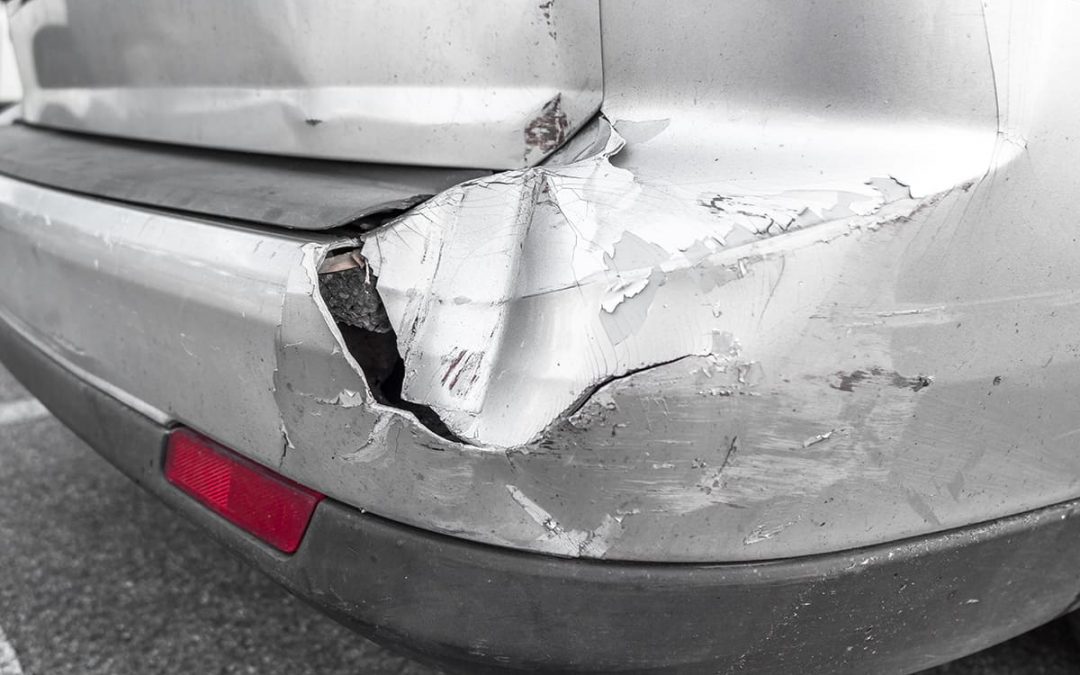
Types of Damage Caused by Low-Speed Rear-End Collisions
Even a low-speed impact can lead to damage in various parts of the vehicle. For instance, bumpers are designed to absorb impact, but multiple hits can weaken their effectiveness. The trunk or rear panels may deform, resulting in alignment problems or requiring replacements. In some instances, the car’s frame may bend slightly, which can go unnoticed initially but may affect long-term safety and performance.
Impact on the Vehicle’s Safety Features
Modern cars come equipped with advanced safety systems such as crumple zones, rear sensors, and backup cameras. Although these features aim to reduce injury during accidents, even low-speed collisions can disrupt their functionality. Misaligned or damaged sensors and cameras might fail to operate as intended, potentially compromising the vehicle’s safety. Ensuring these systems are recalibrated or replaced after a collision is critical to maintaining their effectiveness.
Inspection and Diagnosis After the Collision
Following a low-speed rear-end collision, having a certified technician inspect your vehicle is vital. Professionals can identify visible and hidden damage affecting the body, frame, and internal components. They’ll also examine critical systems, including alignment, suspension, and the undercarriage, which may have been impacted. Neglecting seemingly minor issues, such as alignment problems, can lead to higher repair costs over time and might even affect your car’s safety on the road.
Insurance and Repair Costs
If your vehicle has sustained damage from a rear-end collision, your insurance policy may cover the necessary repairs. The cost of repairs varies depending on the extent of the damage, ranging from a few hundred to several thousand dollars. In severe cases, insurers may determine that the vehicle is a total loss, particularly if the damage compromises its structural integrity or repair costs exceed the car’s value.
Prevention and Safety Measures
Preventing rear-end collisions starts with practicing safe driving habits. Maintaining a safe following distance, staying attentive to traffic patterns, and avoiding distractions while driving are essential. Moreover, vehicles with features like backup sensors and collision avoidance systems can help reduce the likelihood of such accidents. These technologies provide early warnings to drivers, enhancing overall safety on the road.
Other related posts: