Getting your car fixed after a crash involves more than just dropping it off at a trusted auto body repair shop and picking it up a few days later. The repair timeline varies widely based on several key factors that many car owners don’t fully understand until they’re dealing with the aftermath of a collision.
From the severity of damage to insurance procedures and parts availability, numerous elements influence how long you’ll be without your vehicle. Let’s break down these factors to help you set realistic expectations for your repair journey.
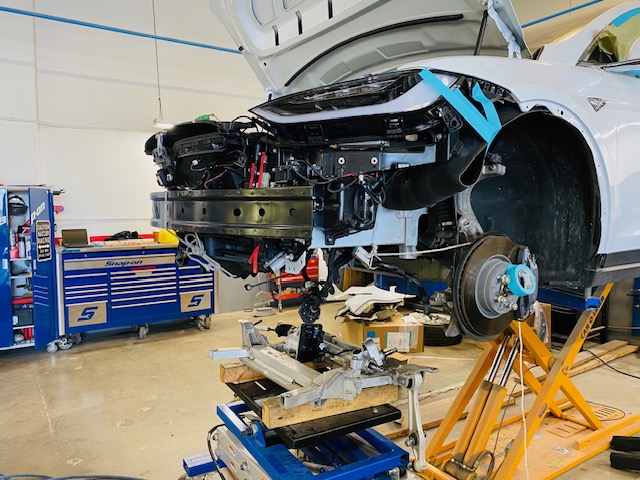
Extent of Damage
The severity of your car’s damage directly impacts repair time. Minor scratches and dents might be fixed in just 2-3 days, getting you back on the road quickly. But major collision damage involving your car’s frame or structure can extend repairs to weeks. Modern vehicles with crumple zones and specialized safety features require meticulous reconstruction work.
Technicians must carefully assess not just visible damage but also hidden structural issues that could compromise safety. Shops often discover additional problems once they start taking things apart, which can extend the original time estimate. Each vehicle requires a unique repair approach based on manufacturer specifications and safety standards.
Parts Availability and Sourcing
Getting the right replacement parts often creates the biggest delays in the repair process. Your car’s make, model, and age significantly affect parts availability. Common domestic models typically have readily available parts, but specialized components for luxury or imported vehicles might take 1-4 weeks to arrive. Supply chain issues have made this problem worse in recent years.
Some parts must be ordered directly from manufacturers rather than from local distributors, adding shipping time. Backorders happen frequently with newer models or during parts shortages. Good repair shops will keep you updated about parts delays and sometimes offer temporary solutions while waiting for critical components to arrive.
Insurance and Claim Processing
The insurance claims process adds considerable time to your repair timeline. Before major work begins, your insurer typically requires a detailed damage assessment and cost estimate. This approval process alone can take 2-7 days depending on your insurance company’s procedures and current workload. If multiple adjusters need to inspect the vehicle or if there are coverage disputes, expect further delays.
Some insurers require shops to stop work and request supplemental approvals when additional damage is discovered mid-repair. Shops that have established relationships with major insurance companies can sometimes expedite this process, but the paperwork and approvals remain a significant factor in your overall wait time.
Repair Shop Capabilities
Your choice of repair facility greatly influences how quickly your car gets fixed. High-volume shops might have longer waitlists but more technicians working simultaneously on different aspects of your repair. The shop’s technical capabilities matter too – those with advanced equipment like computerized measuring systems and in-house paint mixing can complete repairs more efficiently.
Even the best shops become backlogged during busy seasons (especially after major storms or hail events), extending initial wait times by days or weeks. The shop’s parts relationships and certification levels for specific vehicles also affect their ability to expedite your repair.
Additional Considerations
Several other factors can unexpectedly extend your repair timeline. Hidden damage discovered during disassembly often requires additional parts orders and insurance approvals. Perfect paint matching and proper curing take time and can’t be rushed without compromising quality – expect 2-3 days just for this step.
Complex electronics in modern vehicles need recalibration after certain repairs, requiring specialized equipment and technician expertise. Quality control inspections are essential before returning your vehicle, adding another day to ensure everything meets safety standards.
Don’t let uncertainty about repair times add stress to your accident recovery. Take control by asking specific questions about your repair timeline upfront, requesting regular updates, and understanding the factors that might cause delays. A reputable repair shop will provide transparent communication throughout the process, giving you peace of mind while they restore your vehicle to pre-accident condition.
Other Related Posts: