A front-end collision can disrupt your daily routine, and understanding the repair timeline helps set realistic expectations. Repair involves several key phases: damage evaluation, parts procurement, repair work, and quality inspection. Each phase requires careful attention to detail from experienced auto technicians who examine visible damage and potential hidden issues. While repair times vary based on the severity of damage and parts availability, a comprehensive understanding of the process helps vehicle owners prepare for the restoration journey. This guide breaks down the repair timeline and explains the factors that influence how long your vehicle will be in the shop.
Damage Assessment and Estimation
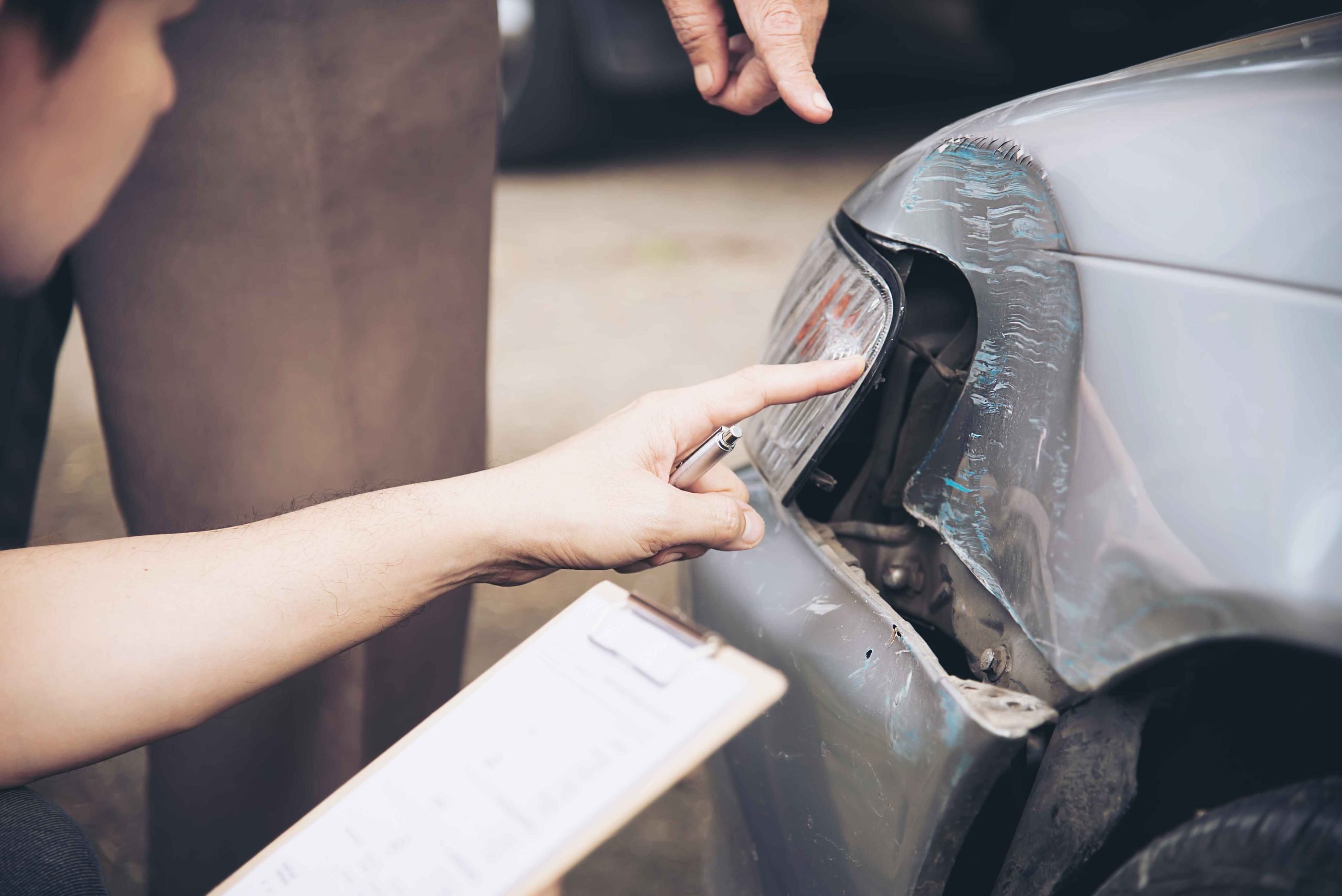
Upon inspecting the vehicle post-front collision, our team quickly evaluates the extent of damage. It provides a detailed estimation for repair costs. We meticulously examine the affected areas, including the bumper, hood, fenders, headlights, and radiator support. Using specialized tools and our expertise, we determine the frame’s structural integrity and analyze any potential hidden damages. Our assessment considers visible and underlying issues to ensure a thorough understanding of the necessary repairs. With our experience handling front collisions, we accurately calculate the labor hours, parts required, and associated costs. This detailed estimation allows us to provide our clients with a transparent breakdown of the repair process and the associated expenses, ensuring clarity and trust in our services.
Parts Ordering and Availability
We promptly begin sourcing necessary parts for the front-end collision repair, ensuring availability and timely delivery to expedite the vehicle’s restoration. Our experienced team carefully identifies all the components required for the repair based on the damage assessment, including items like bumpers, headlights, fenders, and radiator support. Once the parts list is finalized, we utilize our network of trusted suppliers and dealers to acquire high-quality replacement parts swiftly. We prioritize genuine OEM parts to guarantee compatibility and excellent performance. Our efficient communication with suppliers and proactive approach to tracking shipments allow us to minimize delays. By proactively managing parts ordering and availability, we streamline the repair process and work towards restoring the vehicle to its pre-collision condition efficiently.
Repair Process and Labor Time
Commencing the repair process entails thoroughly assessing the front-end collision damage to determine the extent of work required and accurately estimating the labor time needed for a detailed restoration. When diving into the repair process and labor time for fixing a front end collision, we focus on:
- Disassembly: Careful dismantling of the damaged parts to expose underlying issues.
- Repair Planning: Crafting a detailed roadmap for repair procedures and labor allocation.
- Labor Allocation: Assigning skilled technicians to specific tasks for efficient repairs.
- Quality Checks: Regular inspections to ensure each step meets safety and quality standards.
These steps maintain a systematic approach to restoring a vehicle after a front-end collision.
Unforeseen Complications and Delays
Encountering unforeseen issues and delays during the repair process of a front-end collision can substantially impact the timeline and overall restoration procedure. The repair process can be significantly prolonged when unexpected problems arise, such as foundational structural damage, concealed electrical issues, or parts availability challenges. Structural damage may necessitate additional alignment adjustments or parts replacement, contributing to delays. Concealed electrical issues, like compromised wiring or sensors, demand thorough diagnosis and precise repairs. Furthermore, delays caused by parts unavailability can only halt progress once the necessary components arrive. To mitigate these challenges, thorough initial inspections and effective communication between technicians, suppliers, and customers play a vital role in managing unforeseen issues and ensuring a smooth repair process.
Quality Control and Final Checks
Thorough quality control assessments and comprehensive final checks are essential steps in ensuring the successful completion of a front-end collision repair.
- Visual Inspection: We examine every inch to guarantee seamless repairs.
- Alignment Verification: Precise measurements ensure that components are correctly aligned.
- Functionality Testing: From lights to sensors, each system is rigorously tested for peak performance.
- Road Test: A test drive is conducted to verify proper functionality and handling post-repair.
Every detail matters in our quality control process. Our team diligently follows these steps to deliver a front end collision repair that not only meets but exceeds industry standards, providing our customers with peace of mind and a vehicle that is restored to its pre-accident condition.
Other related posts: