In California, collision repair is regulated to protect consumers and ensure that vehicles are repaired safely and professionally. Whether you’ve been involved in a minor fender bender or a more severe accident, understanding the laws and regulations that govern collision repairs can help you navigate the process more confidently. Here’s a breakdown of California’s key collision repair laws and regulations that both consumers and auto body repair shops must follow.
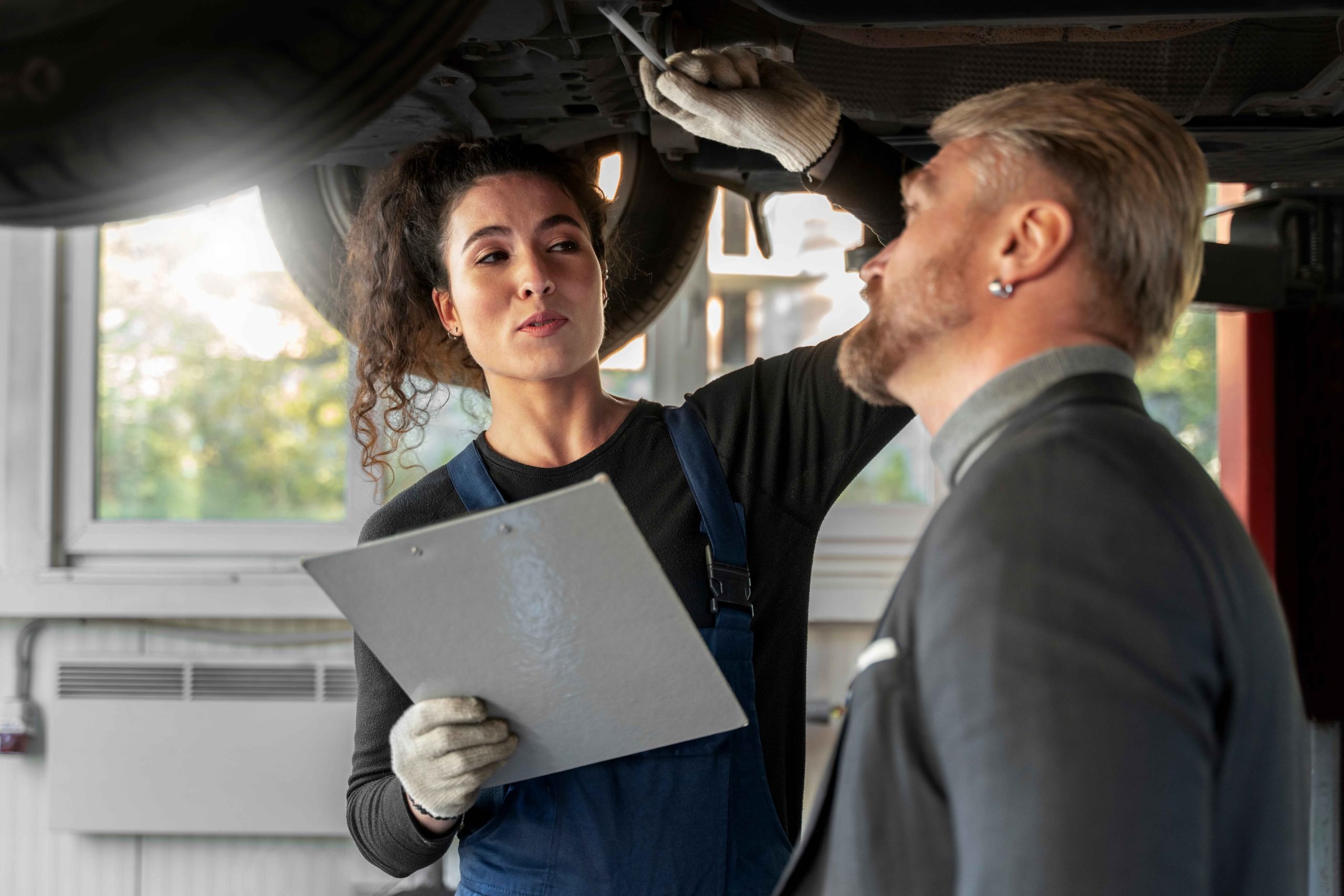
Licensing Requirements for Repair Shops
In California, all auto repair shops, including collision repair facilities, must be licensed by the Bureau of Automotive Repair (BAR), which operates under the Department of Consumer Affairs. This ensures that the shop meets specific standards and regulations. Before you choose a repair shop, verify that it is licensed through the BAR’s website.
The BAR oversees repair shops to ensure compliance with California’s automotive repair laws, ensuring that consumers receive quality service. A licensed repair shop must prominently display its license and follow state guidelines for providing estimates, conducting repairs, and communicating with customers.
Written Estimates and Authorization
One of California’s most important consumer protections is the requirement for written estimates. Before starting any repairs, the collision repair shop must provide a written estimate detailing the expected cost of labor, parts, and any other charges. You must authorize the repair shop to begin work by signing the estimate.
Suppose additional repairs or costs arise during the process. In that case, the shop is required to inform you and obtain your authorization before proceeding. This ensures transparency and prevents unexpected charges from being added to the final bill. Additionally, you can refuse the extra repairs if you don’t agree to the revised cost.
Use of Original Equipment Manufacturer (OEM) Parts
California law allows consumers to specify the use of Original Equipment Manufacturer (OEM) parts in their vehicle repairs instead of aftermarket parts. However, repair shops or insurance companies may offer less expensive aftermarket parts unless OEM parts are specified in the agreement or required by the insurance policy.
When aftermarket parts are used, California law requires that they be of equivalent kind, quality, safety, and performance as the original parts. The repair shop must notify you in writing if aftermarket parts are used, and you have the right to request OEM parts if your insurance policy or repair contract allows it.
Insurance and Collision Repair Regulations
California’s insurance regulations also affect collision repair. Suppose your repair is being covered by insurance. In that case, the insurer is required to work with you and the repair shop to ensure the repair is completed according to your policy.
While insurance companies can recommend certain repair shops, known as Direct Repair Programs (DRPs), they cannot force you to use a specific shop. Under California law, you can choose your preferred repair facility, even if it’s outside the insurer’s recommended list.
Additionally, insurance companies must provide coverage for repairs that bring your vehicle back to its pre-accident condition. This includes ensuring that any parts used and the quality of the repairs are equivalent to or better than the vehicle’s original condition.
Repair Warranty Requirements
Collision repair shops in California are required to provide a written warranty for repairs performed. The minimum requirement is a 90-day or 4,000-mile warranty, but many reputable repair shops offer extended warranties beyond this.
The warranty must cover any defects in workmanship or parts used during the repair. It’s essential to review the terms of the warranty before agreeing to repairs, as it outlines what is covered if any issues arise after the repair has been completed.
Consumer Protection Rights
Consumers in California are protected under the Automotive Repair Act, which ensures that you have the right to:
– Receive a written estimate and approve repairs before they begin.
– Be informed of any changes or additional repairs and approve them before the work is completed.
– Request the return of replaced parts (unless under warranty or exchange for a core charge).
– File a complaint with the Bureau of Automotive Repair (BAR) if you believe you’ve been mistreated or that the repair work was unsatisfactory.
The BAR will investigate complaints and can help resolve disputes between consumers and repair shops, offering a layer of protection for vehicle owners.
Conclusion
Navigating the collision repair process in California can be smoother when you understand the state’s laws and regulations. From ensuring your chosen repair shop is licensed to knowing your rights regarding estimates, parts, and warranties, these rules are designed to protect consumers and promote high-quality, safe repairs. Whether dealing with insurance or choosing a repair shop, being informed about California’s collision repair regulations can help you make the best decisions for your vehicle.
Other related posts: