Navigating auto insurance options can feel overwhelming, especially when trying to understand the distinct differences between comprehensive and collision coverage. These two policy types serve different purposes in protecting your vehicle, and knowing when certified auto body repair might be covered under each is crucial for making informed decisions. This guide breaks down what each type covers, their costs, and when you might need one or both to properly protect your investment.
Coverage Overview
Comprehensive and collision insurance protects your vehicle in fundamentally different ways. Comprehensive insurance covers damage that happens to your car from events outside your control – think stolen vehicles, broken windshields from falling tree branches, flood damage, or even hitting a deer on a country road. It’s your safety net for those “act of God” situations.
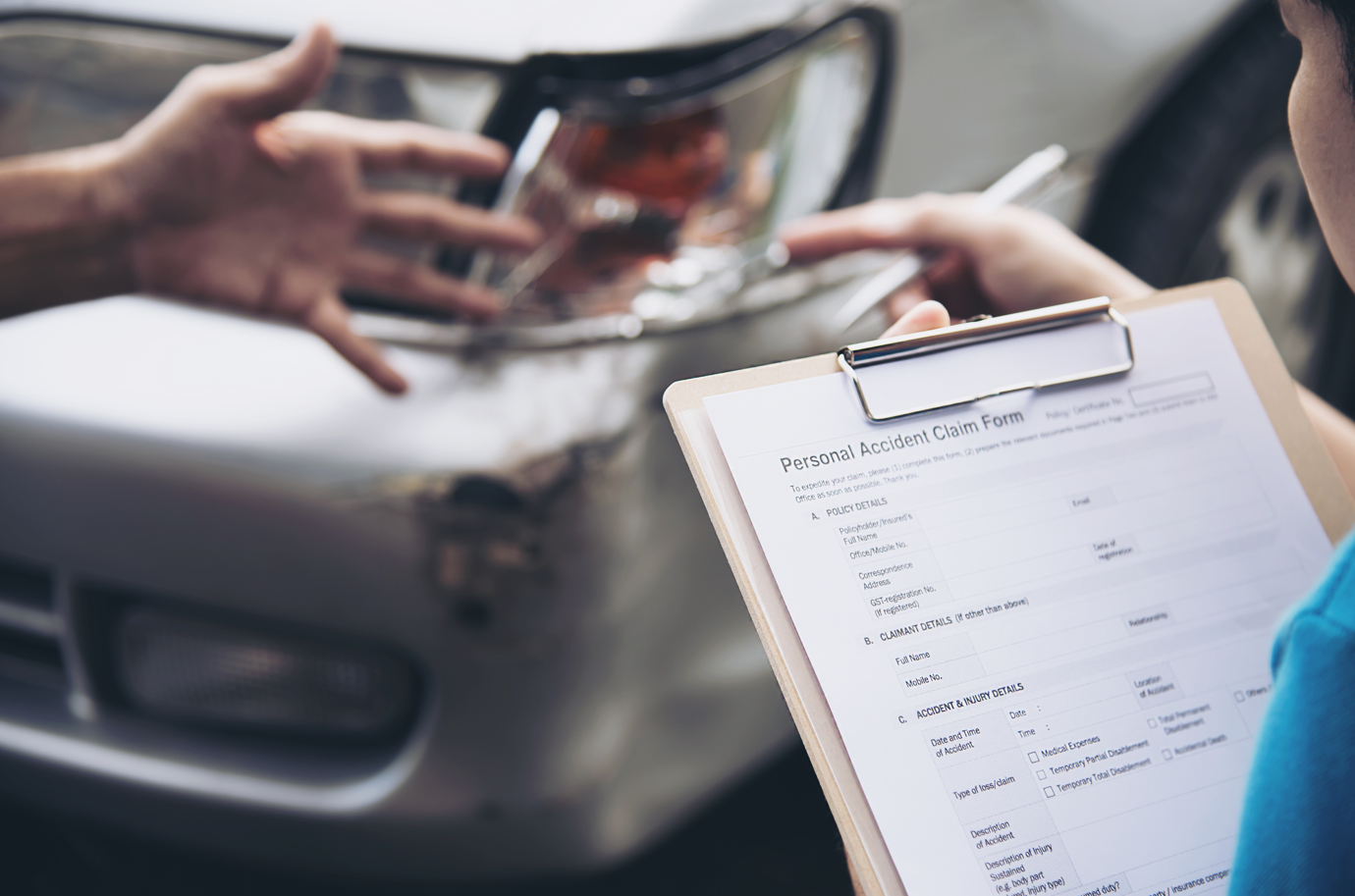
Meanwhile, collision insurance specifically handles damage from accidents with other vehicles or objects, regardless of who’s at fault. It pays for repairs when you crash into another car, hit a guardrail, or back into a pole. Having both types gives you complete coverage for nearly any scenario that could damage your vehicle, though each works independently to protect different aspects of your driving experience.
Types of Damages Covered
Comprehensive and collision insurance protects against distinctly different scenarios that can damage your vehicle. Comprehensive coverage handles unexpected events beyond your control such as theft, vandalism, natural disasters like floods or hurricanes, fire damage, falling objects, and collisions with animals. It’s essentially your protection against “non-driving” incidents that could still leave you with substantial repair bills.
Collision coverage, by contrast, specifically addresses damage resulting from vehicle accidents. Whether you hit another car, roll your vehicle, collide with stationary objects like poles or fences, drive over damaging potholes, or become the victim of a hit-and-run. Understanding these differences helps you assess which coverage types make sense for your particular driving circumstances and vehicle value.
Cost Differences
The price gap between comprehensive and collision insurance stems from their risk profiles. Collision coverage typically costs more because accident claims frequently involve more expensive repairs. Your driving history heavily influences collision premiums – previous accidents or tickets will raise these rates significantly. Comprehensive costs are less since theft, vandalism, or weather damage occur less predictably.
Your location plays a major role in comprehensive pricing; living in areas with high theft rates or frequent natural disasters means higher premiums. Comprehensive insurance offers better value for many drivers since it covers multiple risks at a lower price point, though collision protects against the more common everyday driving hazards.
Deductibles and Claims Process
Understanding how deductibles work and what to expect during claims is essential when comparing these coverages:
- Deductible Differences: You’ll typically select deductibles ranging from $250-$1,000 for both coverage types. Higher deductibles mean lower premiums but more out-of-pocket costs when filing claims.
- Claims Documentation: Comprehensive claims often require additional evidence like police reports for theft or vandalism, while collision claims need accident details and photos of vehicle damage.
- Processing Timeline: Collision claims generally take longer to process since fault determination or police reports might be necessary before repairs begin.
- Repair Authorization: Insurance adjusters typically inspect the damage before authorizing repairs for both types, but comprehensive claims may require extra verification of how the damage occurred.
When to Consider Each Coverage
Your situation should guide your insurance choices. Comprehensive coverage makes sense if you park on city streets, live in areas prone to severe weather, or travel through regions with high wildlife activity. It’s valuable protection even for older vehicles since theft, vandalism, and weather damage can happen to any car regardless of age. Collision coverage becomes more important if you commute long, frequently drive in heavy traffic, or own a newer vehicle with substantial repair costs.
If your car is financed or leased, your lender typically requires both coverages. Consider dropping collision while keeping comprehensive for older vehicles worth less than $3,000 since the premium might exceed potential claim payouts.
Don’t wait for an accident or theft to discover gaps in your coverage. Review your current policy today and consider how comprehensive and collision insurance might protect your vehicle from different risks. Speak with an insurance professional who can help tailor coverage to your driving habits, vehicle value, and budget constraints. The right combination of coverage can save you thousands of potential repair costs later.
Other Related Posts: