Crash! That sickening sound of metal hitting metal. Your heart races as you realize you’ve just been in a fender bender. Take a deep breath—it happens to most drivers eventually. At the same time, your car might be dented, but at least no one’s hurt. But now what? The steps you take next really matter. Getting your car checked at a professional collision repair shop quickly can save you headaches. After that minor bump, let’s walk through what you need to do to protect yourself and get your car fixed right.
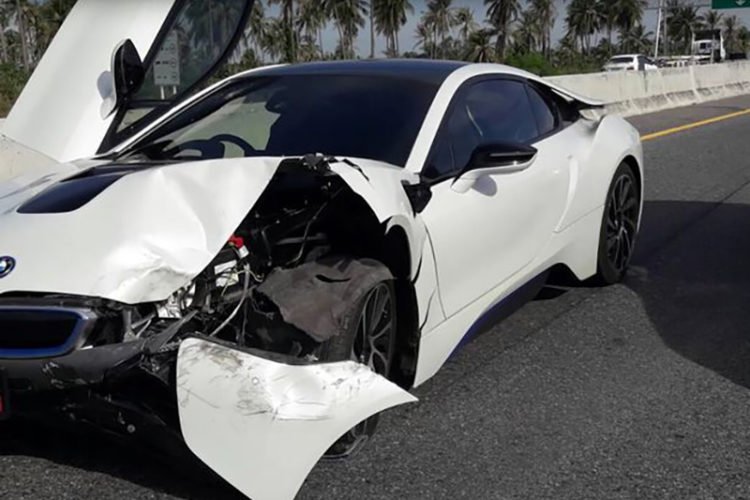
Assess the Situation
Just had a fender bender? First, make sure everyone’s okay. Check yourself and ask the other driver if they’re hurt. Then look at both cars. Are there any fluids leaking onto the pavement? Are any parts hanging loose that could cause problems? If you’re blocking traffic and the cars can still move, pull over to a safe spot—a parking lot or the roadside.
Grab your phone and snap plenty of pictures. Get shots of both cars, where they hit, and the wider scene. Trust me, you’ll want these later when talking to your insurance. Don’t forget to note the time and exactly where you are. These details might seem small now, but when you file claims, it’ll matter.
Exchange Information
Now for the awkward part—talking to the other driver. Get their name, phone number, and insurance details. Write down their license plate and jot notes about their car (make, model, color). Give them your info too. If someone saw what happened, ask for their contact info—witnesses can be real lifesavers if stories change later.
Keep the conversation simple and stick to swapping information. This isn’t the time to debate who caused the crash or apologize. I made that mistake once and my insurance company wasn’t happy. Just get what you need and stay polite. A simple “I’m glad no one was hurt” works better than “I’m so sorry, I didn’t see you!”
Document the Damage
Pull out your phone again and focus on the damage. Take close-ups of every dent, scratch, and broken part on both cars. Walk around each vehicle completely. Get shots from different angles and distances. Those tiny scrapes might not look like much now, but they could hide bigger problems underneath.
Make notes about how the cars look while it’s fresh in your mind. I once missed documenting a leaking radiator after a minor bump, and it haunts me when filing my claim. If your car has pre-existing damage, take pictures, clarifying what’s old and what’s new. Your careful documentation now saves arguments later.
Notify Your Insurance Company
Call your insurance company before you even leave the scene. The sooner you report it, the better. Have the other driver’s info and your photos ready when you call. Tell them exactly what happened without embellishing. Ask about your deductible and how the claims process works in your case. Find out if they’ll send an adjuster or if you should get estimates from repair shops.
Some insurers now let you upload photos and file claims through their app—super convenient! Don’t skip this step even if the damage looks minor or the other driver suggests handling it without insurance. I’ve seen tiny fender benders turn into expensive repairs once a mechanic gets a closer look.
Seek Legal Advice if Necessary
Sometimes what starts as a simple fender bender gets complicated. Maybe the other driver changes their story. Or you may start feeling neck pain a day or two later. If something feels off, trust your gut and talk to a lawyer who handles car accidents. Legal advice doesn’t always mean you’re suing someone—sometimes it’s just about understanding your options.
A reasonable attorney can review your case, often for free initially, and tell you if you need their help or can handle things yourself. They can advise you on talking to insurance companies and ensure you don’t settle too quickly before knowing the full extent of damage or injuries.
Don’t let that dent in your bumper become a headache! Get your car checked out today by qualified repair technicians who can spot hidden damage and restore your vehicle right the first time. Your car (and your peace of mind) will thank you.
Other Related Posts: