When a collision is imminent, keep calm, assess the situation, and act swiftly to evade danger. Prioritize safety, communicate effectively, and brace for impact if necessary. Remember, every second counts in these critical moments. Look into the detailed outline provided by a collision center in San Rafael for more detailed guidance on handling a collision situation.
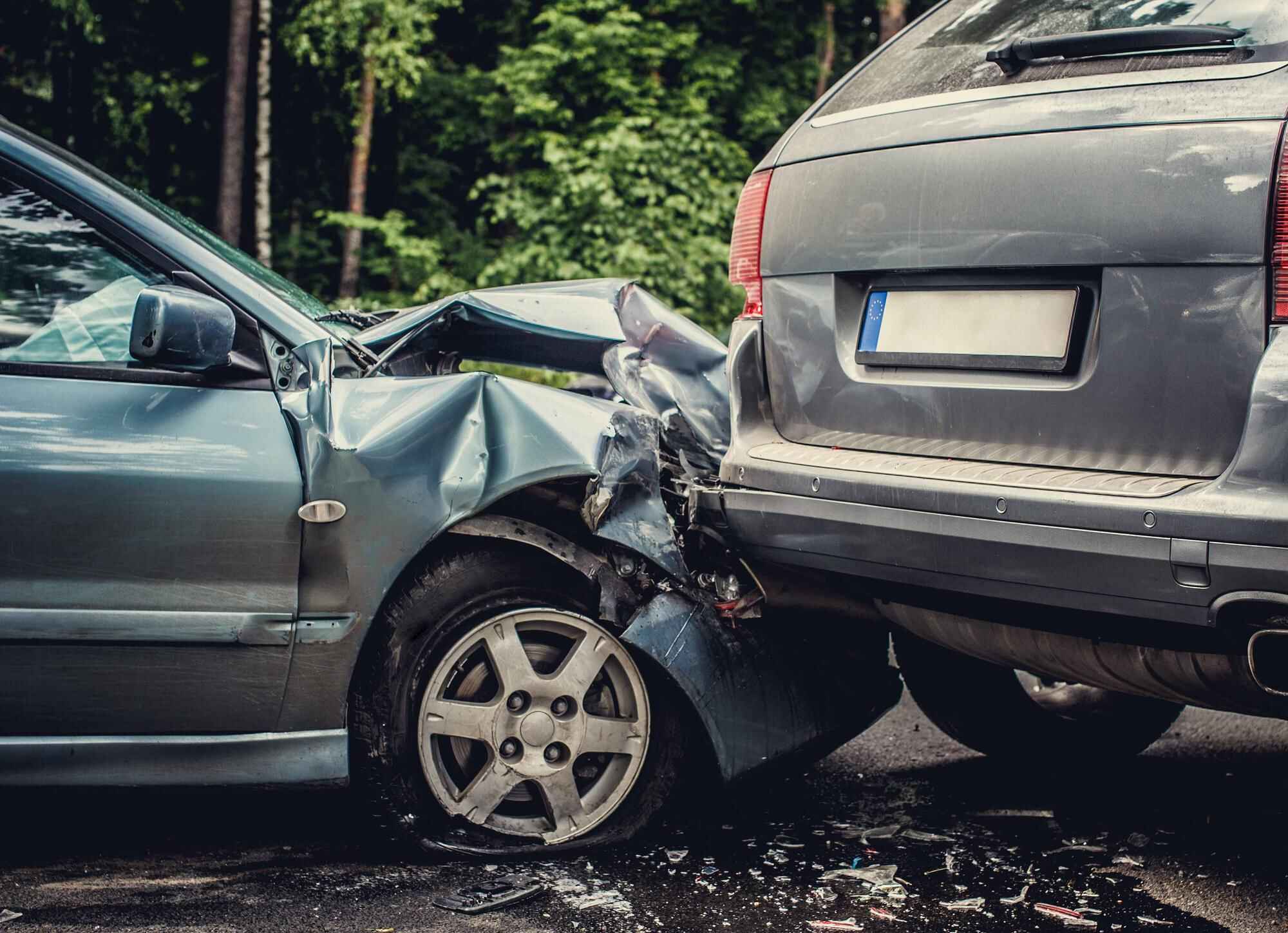
Stay Calm and Assess the Situation
Maintaining a calm demeanor and promptly analyzing the circumstances is essential when facing a potential collision. Panicking in such a situation can cloud judgment and lead to poor decision-making. Take a deep breath and focus on evaluating the surroundings. Look for possible escape routes or areas of safety. Consider the speed and direction of the other vehicle involved. Determine if there are obstacles that could impede your ability to maneuver. Communicate with any passengers in your vehicle to ensure they are prepared for sudden movements. Staying calm and analyzing the situation with a clear mind increases your chances of making the best choices to avoid a collision.
Take Immediate Evasive Action
In the face of an imminent collision, swift and decisive evasive action becomes essential for ensuring safety on the road. When faced with a potential crash, our immediate response should be to take evasive maneuvers to avoid the impending danger. This can involve quickly changing lanes, braking hard, or steering away from the threat. It is vital to act decisively and without hesitation to minimize the risk of a collision. Remember that every second counts in these situations, and a prompt reaction can make a significant difference in avoiding an accident. Remember to prioritize safety above all else and be prepared to take evasive action whenever necessary to protect yourself and others on the road.
Use Signals to Communicate Intentions
To effectively navigate potential collisions, using signals to communicate intentions is pivotal for alerting other drivers on the road. When it comes to signaling, remember these critical points:
– Turn Signals: Use your turn signals in advance to indicate your intention to change lanes or make a turn.
– Brake Lights: Confirm your brake lights are working correctly to communicate when you are slowing down or stopping.
– Hazard Lights: In emergency situations, activate your hazard lights to alert other drivers of potential dangers.
Clear and timely signaling not only enhances your own safety but also helps promote smoother traffic flow and reduces the risk of collisions.
Prepare for Impact and Brace Yourself
As the possibility of a collision looms, it is important to prepare for impact and brace ourselves for the impending crash. Keep both hands firmly on the steering wheel to maintain control of the vehicle. Tense your muscles and brace yourself by pressing your back against the seat. Position your head against the headrest to minimize the risk of whiplash. If wearing a seatbelt, make sure it is securely fastened. Remove any sharp objects from pockets to prevent injury. Take a deep breath and remain as calm as possible to focus on the situation. By preparing for impact and bracing ourselves, we can reduce the risk of severe injuries during a collision.
Seek Medical Attention and Report Incident
Upon experiencing a collision, it is vital to promptly seek medical attention and report the incident for documentation and evaluation of any potential injuries. It is essential to safeguard your well-being and adhere to proper procedures. Here are key steps to take:
– Call emergency services: Contact 911 or the appropriate emergency number for immediate medical assistance.
– Visit a healthcare provider: Get a thorough examination to assess any injuries, even if they seem minor.
– Report the incident: Inform the authorities and your insurance company to document the event accurately.
Other related posts: